I don’t know about you, but it’s hot!! We went to my cousin’s birthday gathering in the latter part of July; when we left to return home, the temperature was 106° – the temperature! We’ve had numerous days with temperatures around 100°, and several more with heat indices of more than 100°. Perhaps it’s a function of my years of experience (read: old age!), but I think it’s getting hotter. I can’t handle the heat the way I used to.
We moved into a new house in a burgeoning suburban neighborhood just before I turned four. Brand-spanking-new house, but it didn’t have air conditioning! Of course, I didn’t know the difference. Most of my days were spent outside, playing. Then came the bath before bed; I still remember those sweaty rings of dirt around my neck. Ah – those were the days!
After a few years, my parents decided the heat bothered them. We got a large window A/C unit that we put in the dining room window. During the day, we would close the bedroom doors, reducing the volume of space to cool, and let the A/C do its job. At night, we would turn off the A/C, open only one window in each bedroom, and turn on the attic fan (sometimes referred to as a “whole house fan”). The attic fan would draw in the cool night air, so that by morning, we were pulling on light blankets.
We survived with that window A/C for several years. As I was approaching high school, Dad decided it was time to expand to “central” air conditioning. Of course, the house wasn’t ready for central air, so long-time family friends came to town and stayed with us while Todd adapted and installed the system.
If I heard an explanation of why we needed central air, I don’t recall what it was. In retrospect, I suspect it had something to do with the summer nights not cooling off as much as they did before, causing the attic fan to be less effective; I remember sometimes waking in a sweat. The suburbs were expanding rapidly, clearing trees that stood in the way of development, adding rooftops and asphalt streets that retained the heat of the day.
(I heard that, as people were flocking to the Phoenix area in the “early days” – 1960s/70s – when asked about the heat, they would invariably reply that the nights were downright chilly, a characteristic of the desert. With the tremendous growth of the area – new houses, asphalt roads, loss of natural desert habitat, introduction of non-native plants and grass that required water – a heat dome gradually grew over the metro area, preventing nighttime temperatures from falling as much. That stimulated the need for more air conditioners which in turn expanded the heat dome, thus requiring more air conditioning, and so the cycle continued until the point where the heat never really escapes.)
I honestly believe that some of my increasing intolerance to heat is a function of age. I worked on a truck dock in the summer when I was in college. I spent eight hours a day loading the back of 40’ trailers. The temperature in those trailers normally ran about 140°.
I’m equally certain, however, that it’s getting hotter. It’s a relative matter, but I also believe it’s a trend. Just as my dad began feeling the heat as he was aging – moving from an attic fan to a window air conditioner to central air conditioning – the geographic area was becoming hotter due to the loss of trees and the increase of houses with asphalt roof shingles and the miles of asphalt roads to get more cars to those houses. Today, I don’t know of any house in the area that doesn’t have some form of air conditioning.
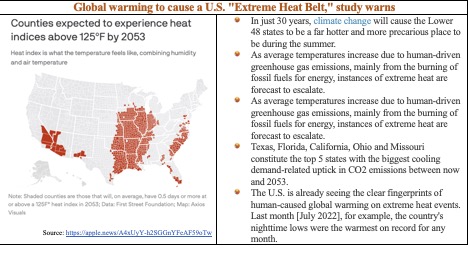
If the long-term trend illustrated in the “Extreme Heat Belt” graphic is close to being accurate, I have three significant concerns. First, I live in that big swath of red up the middle of the map! Second, it’s not like someone will flip a switch in 2053 – it will be a 30-year climb to those projected highs that I have to suffer through. Finally, if I live to see these projections, I’m going to be broke because my financial planner isn’t planning for me to live that long!!
I must say, however, that it seems as if someone recently has flipped a switch. I know we’ve had heat waves, periods of drought, and floods in the past; one of my earliest blogs was about the “Flood of ’93.” (It makes me feel like an old-timer, leaning against the barn, holding a wheat straw between my teeth, slowly recounting that “Flood of ‘93”!)
What I don’t remember is so many climate calamities occurring concurrently. Texas had a 1,000-year flood, which was just 18 months on the heels of a polar vortex that wiped out the electrical power to most of the state. Thousand-year flooding in Death Valley, which experiences the hottest temperatures on Earth. Deadly floods in the southeast – Kentucky last month and Mississippi this month. Extreme heat, droughts, and floods in areas around the globe.
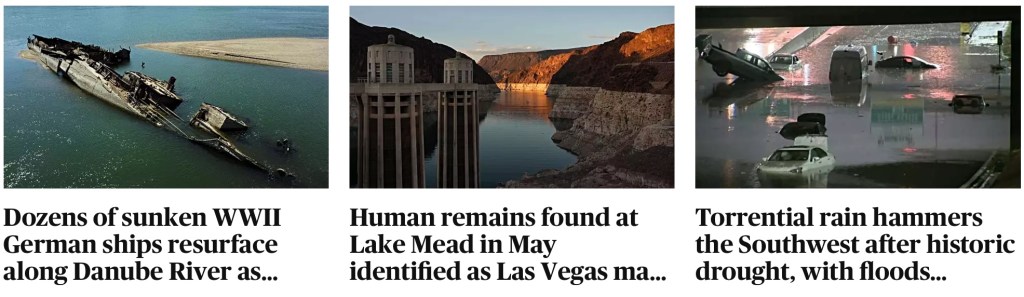
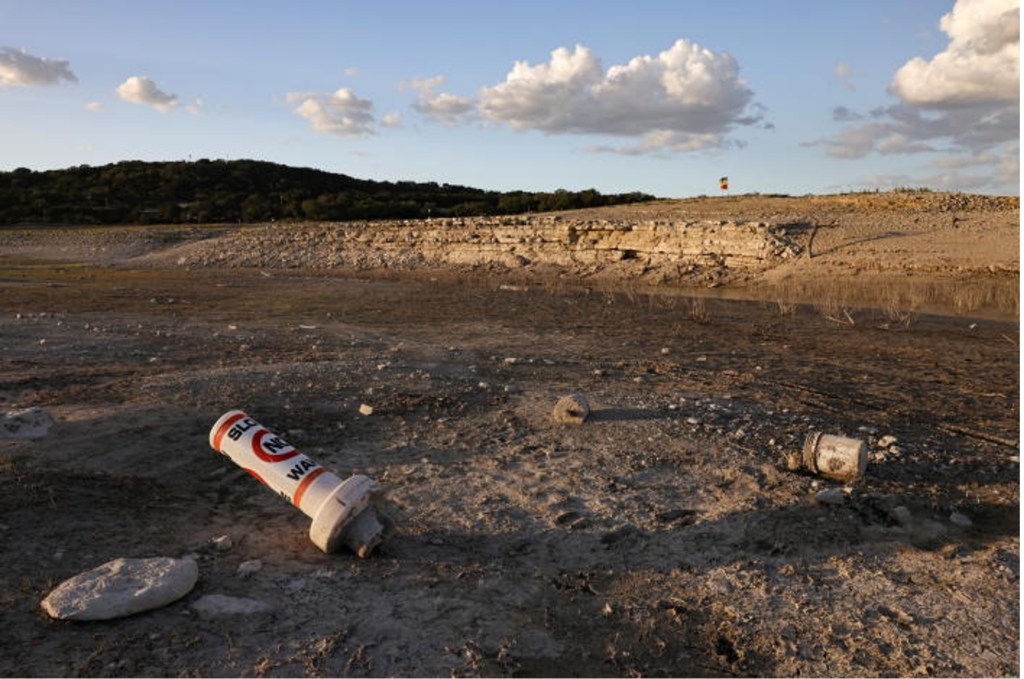
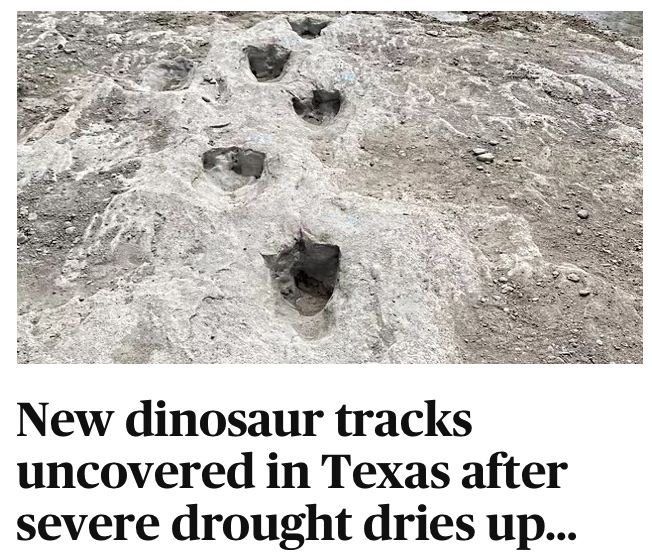
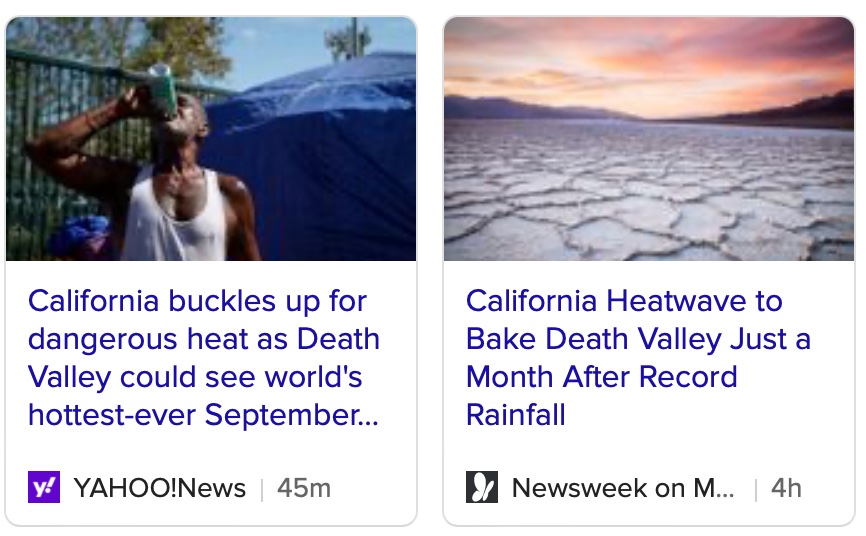
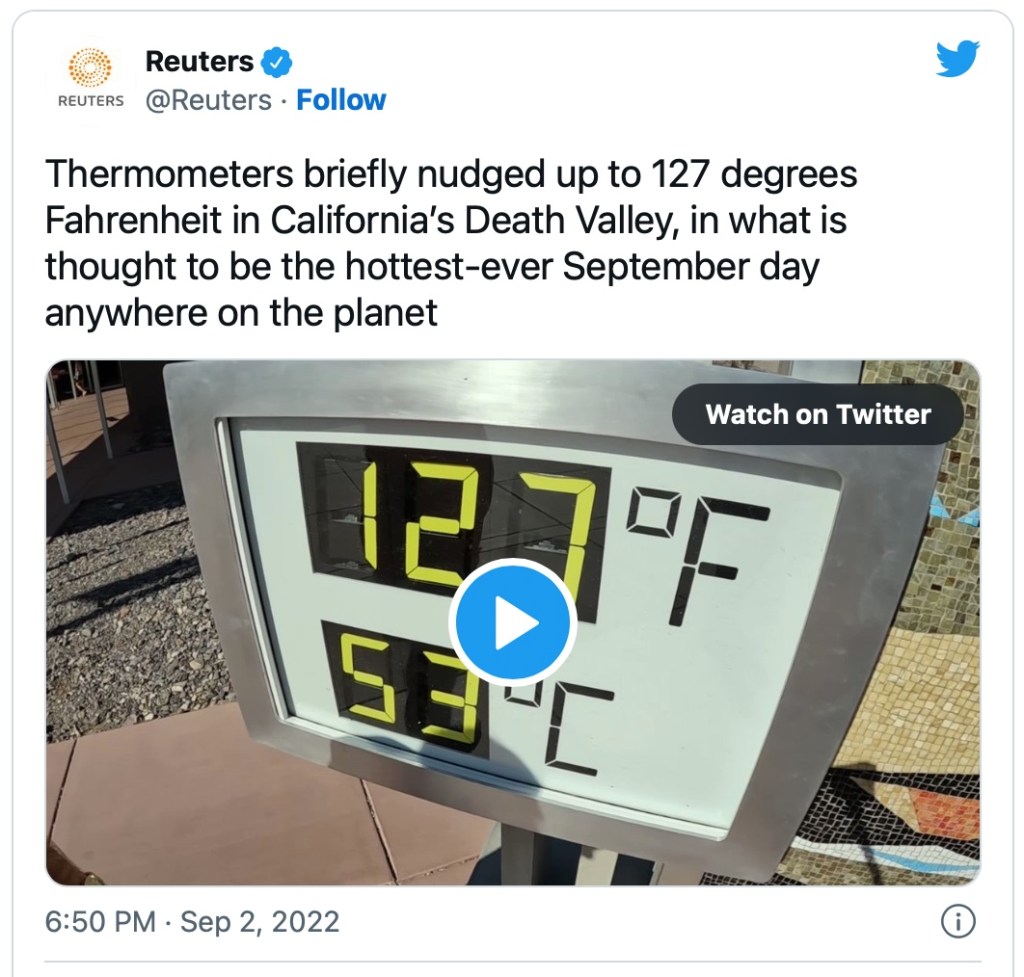
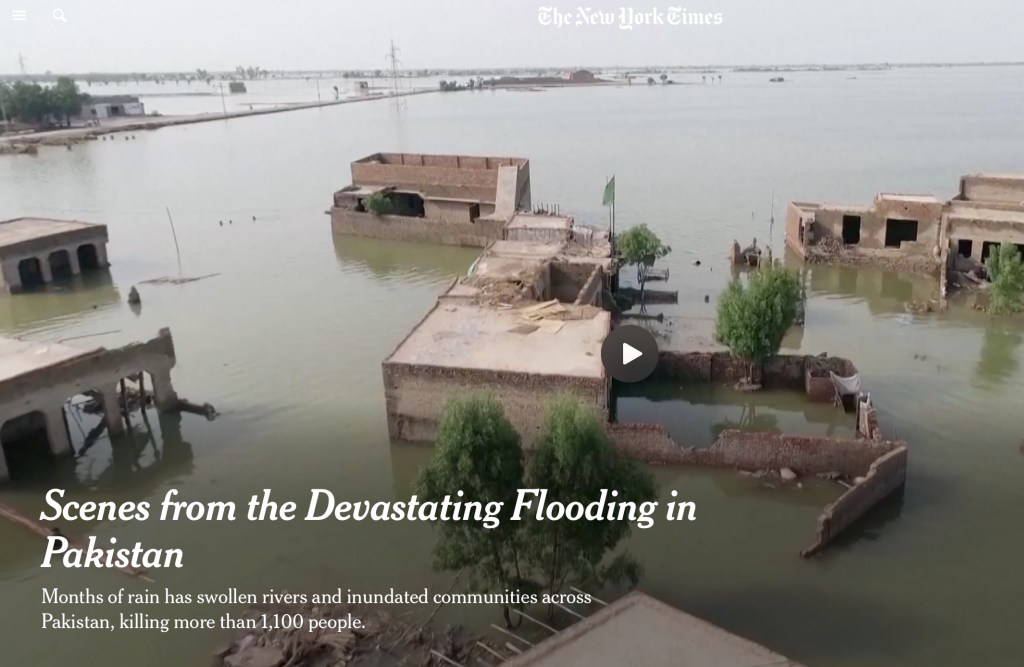
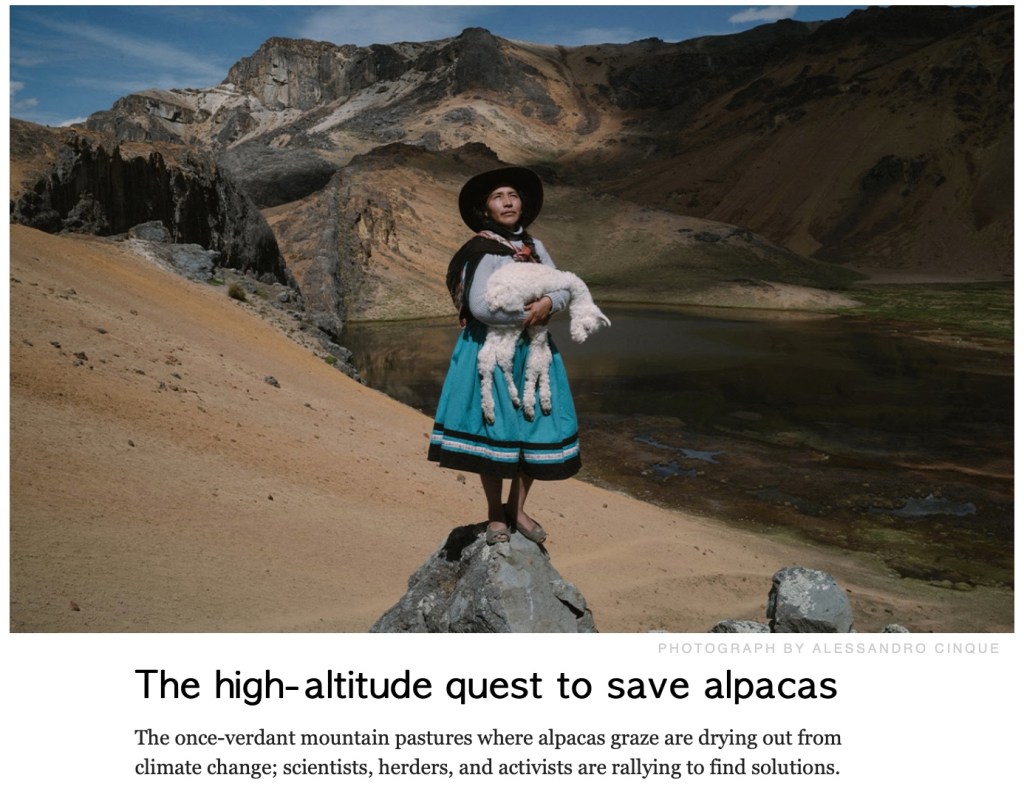
It’s hard to know what to do. I’ve always heard, “if you can’t stand the heat, get out of the kitchen.” The problem might be a different one: we might not have as much reason to heat the kitchen!
“Nearly three quarters of US farmers say this year’s drought is hurting their harvest — with significant crop and income loss, according to a new survey by the American Farm Bureau Federation. . . . ‘The effects of this drought will be felt for years to come, not just by farmers and ranchers but also by consumers. Many farmers have had to make the devastating decision to sell off livestock they have spent years raising or destroy orchard trees that have grown for decades,’ said Zippy Duvall, AFBF president.” You might not take him seriously because of his name, but Zippy offers a crucial insight: we might be shaking our collective heads in wonder over heat and drought conditions now, but the impact will be long-term as we go to the store for groceries.
We are resilient, though. We can invest in infrastructure to capitalize on what nature provides:
- pumping flood waters to aquifers or reservoirs so it can be used for irrigating crops (for example, when the Missouri River floods, siphon off as much of the flood levels as possible and pump the excess water into the Ogallala Aquifer, which would significantly reduce flood damage along the river while helping replenish the aquifer);
- removing invasive and non-native plants and grasses to allow natural flora and fauna return to a state of balance in the environment;
- planting native trees and grasses along interstate easements and medians (think of the money saved and pollutants reduced by not mowing, not to mention improved scenery);
- developing and utilizing pervious materials in sidewalks and driveways to allow more rainwater to percolate into the ground, thus reducing the need for increasing capacity in existing groundwater drainage systems;
- adding detention basins to slow overground water runoff and prevent flash flooding during heavy rains;
- installing cisterns to collect water from roof gutters (this water could be utilized as non-potable water for flushing toilets, saving significant treated water; or it could be a source of water for sprinkling systems);
- accelerating new initiatives to remove non-native grass from cities in the desert southwest;
- developing pocket parks and community gardens in more densely populated areas of cities (not only with this have a cooling effect, it will strengthen the fabric of the community – you’ll probably get to know better the neighbor who offers you fresh tomatoes from their garden plot down the street);
- adding “green roofs” on high-rise office and apartment/condominium buildings; and
- reestablishing natural environments – for examples:
- free-range bison will naturally restore prairies to their native conditions;
- beaver dams assist in flood control, and the captured water has a natural cooling effect on the local environment; and
- wetlands assist in reducing flooding, replenishing subsurface water, removing pollutants, and providing habitat for native animal species.
This list is by no means comprehensive – nothing more than a few thoughts I’ve had. The point is, instead of competing with nature, and mistakenly thinking we can somehow control it, we must work with it.
As the old proverb goes, “When is the best time to plant a tree? Twenty years ago. When is the second-best time? Today!”
 Mike's Fountain Pen
I love this topic. You have some excellent thoughts. Good job!
LikeLike
Thanks. There are so many things we can do, if we can simply overcome the entrenched resistance. Perhaps now that we have passed the bill that offers significant funding for climate technology, we can move forward on significant projects.
LikeLike
Well put West. You rock!
LikeLike
Thank you, kind sir.
LikeLike